Alternative Treatments for Coccyx Pain: Complete Guide to Natural & Complementary Therapies
The most evidence-supported alternative treatments for coccyx pain are manual therapy (internal or external), acupuncture, and TENS therapy. These work best in combination with ergonomic changes and targeted exercises.
Medically Reviewed by: Dr. Sarah Mitchell, MD & Dr. Jennifer Park, MD, Integrative Medicine | Updated: March 10, 2026
When conventional treatments for coccyx pain fall short—or when you prefer to avoid medications and invasive procedures—alternative therapies offer promising options. From ancient practices like acupuncture to modern approaches like laser therapy, this guide examines evidence-based alternative treatments for tailbone pain.
Important note: "Alternative" doesn't mean unproven. Many of these therapies have substantial research support. However, they should complement, not replace, appropriate medical evaluation and conventional care when needed.
Understanding Alternative Medicine for Coccyx Pain
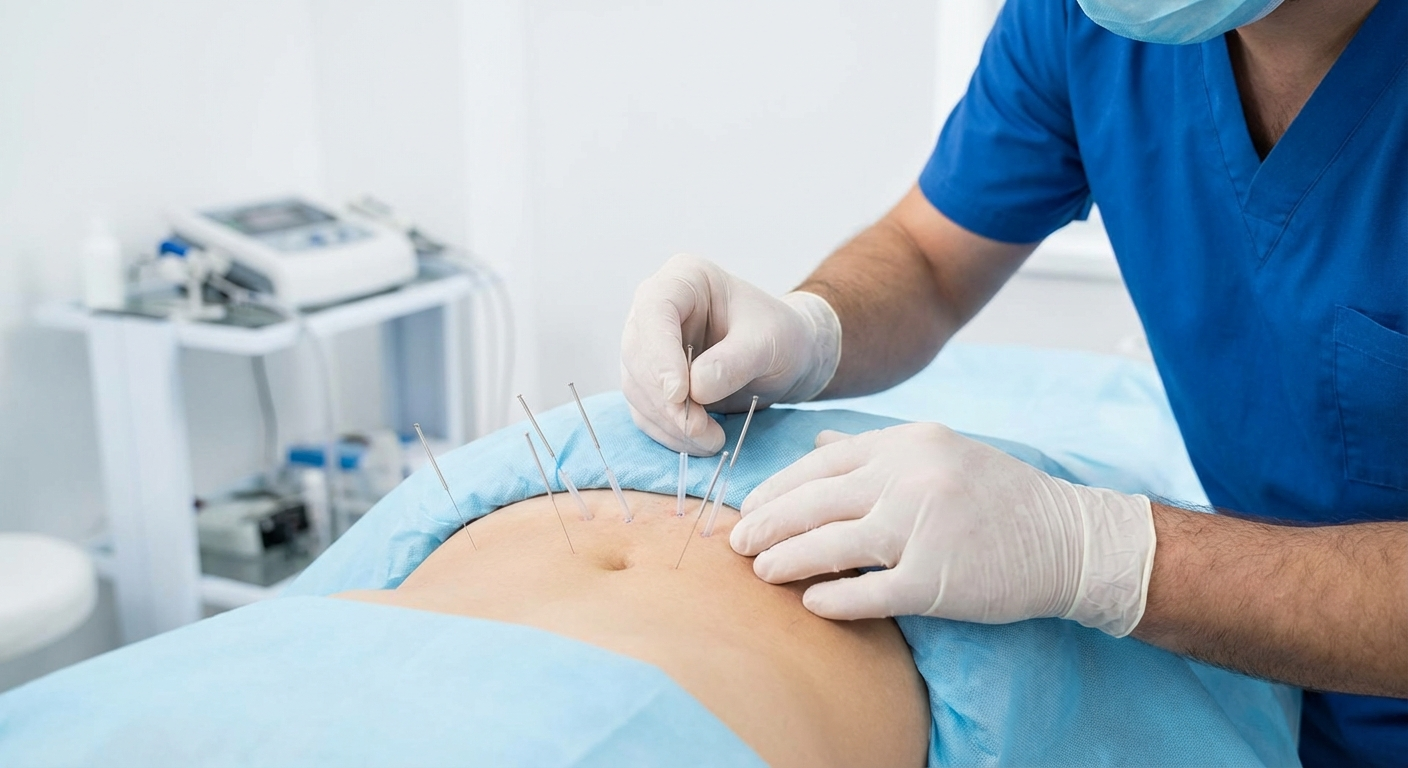
Acupuncture targeting lumbosacral points shows 60–70% success rates in clinical studies for coccydynia.
Alternative medicine encompasses therapies outside conventional Western medicine. For coccyx pain, these approaches typically focus on:
Reducing inflammation naturally
Releasing muscle tension and trigger points
Improving circulation and healing
Restoring proper biomechanics
Addressing pain through nervous system modulation
1. Acupuncture for Coccyx Pain
Alternative Treatments for Coccyx Pain That Actually Work
Evidence-based review of acupuncture, manual therapy, TENS, and other non-surgical options for tailbone pain.
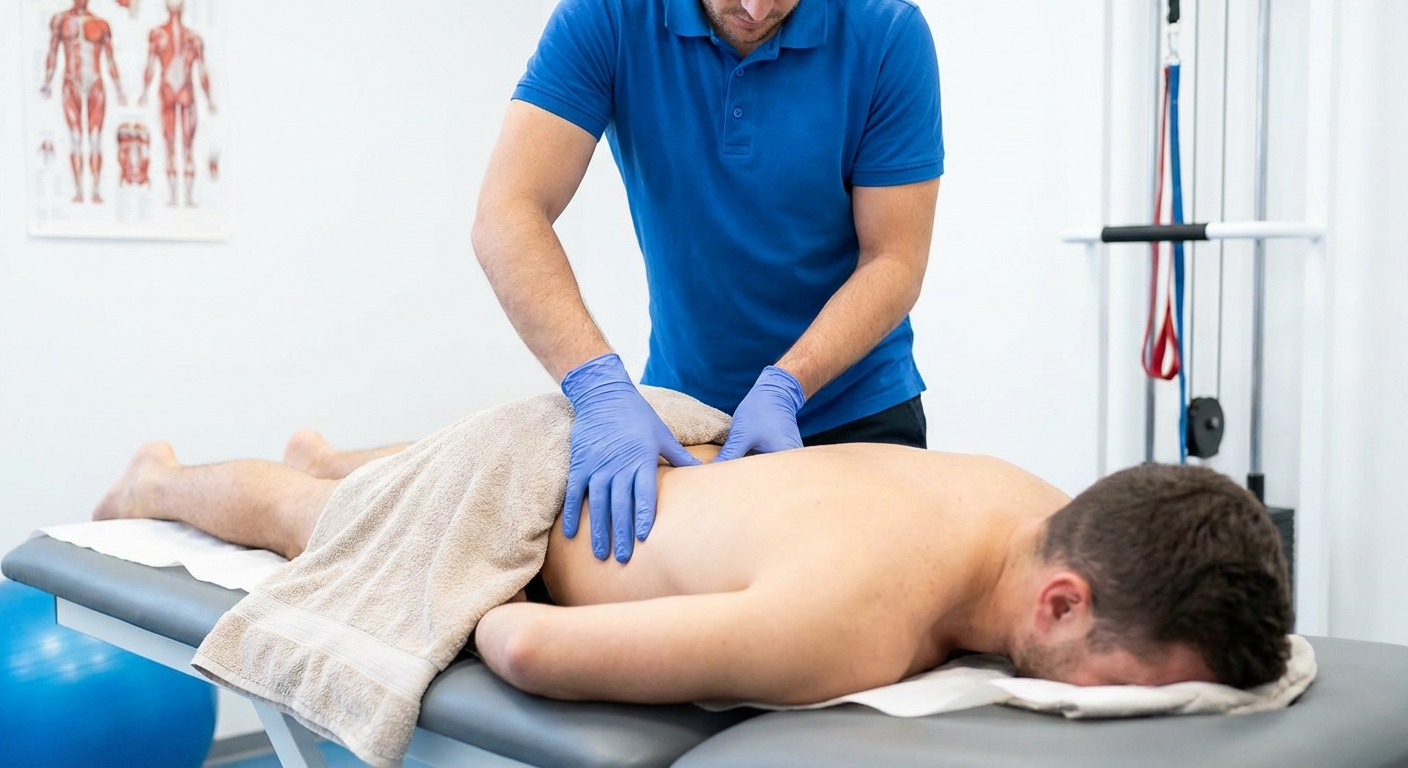
Manual therapy by a trained physiotherapist is the highest-evidence alternative treatment for chronic coccyx pain.
What Is Acupuncture?
Acupuncture is a traditional Chinese medicine practice involving insertion of thin needles at specific points on the body. For coccyx pain, practitioners target points along the bladder, kidney, and governing vessel meridians that correspond to the lower back and pelvic region.
How It Works (The Science)
Research suggests acupuncture works through multiple mechanisms:
Endorphin release: Needle insertion stimulates production of natural pain-relieving chemicals
2020 study: 70% of coccydynia patients reported significant improvement after 6 sessions
Meta-analysis: Acupuncture superior to sham acupuncture for chronic low back/pelvic pain
What to Expect
Initial consultation: 60-90 minutes including health history
Treatment sessions: 30-45 minutes
Needle sensation: May feel dull ache, warmth, or tingling (not sharp pain)
Frequency: 1-2 times weekly for 4-6 weeks initially
Maintenance: Monthly sessions if helpful
Finding a Qualified Practitioner
Look for:
Licensed acupuncturist (L.Ac.)
NCCAOM certification
Experience with pelvic pain conditions
Clean needle technique certification
Cost & Insurance
Typical cost: $75-150 per session. Some insurance plans cover acupuncture for pain management. Check your benefits.
2. Chiropractic Care
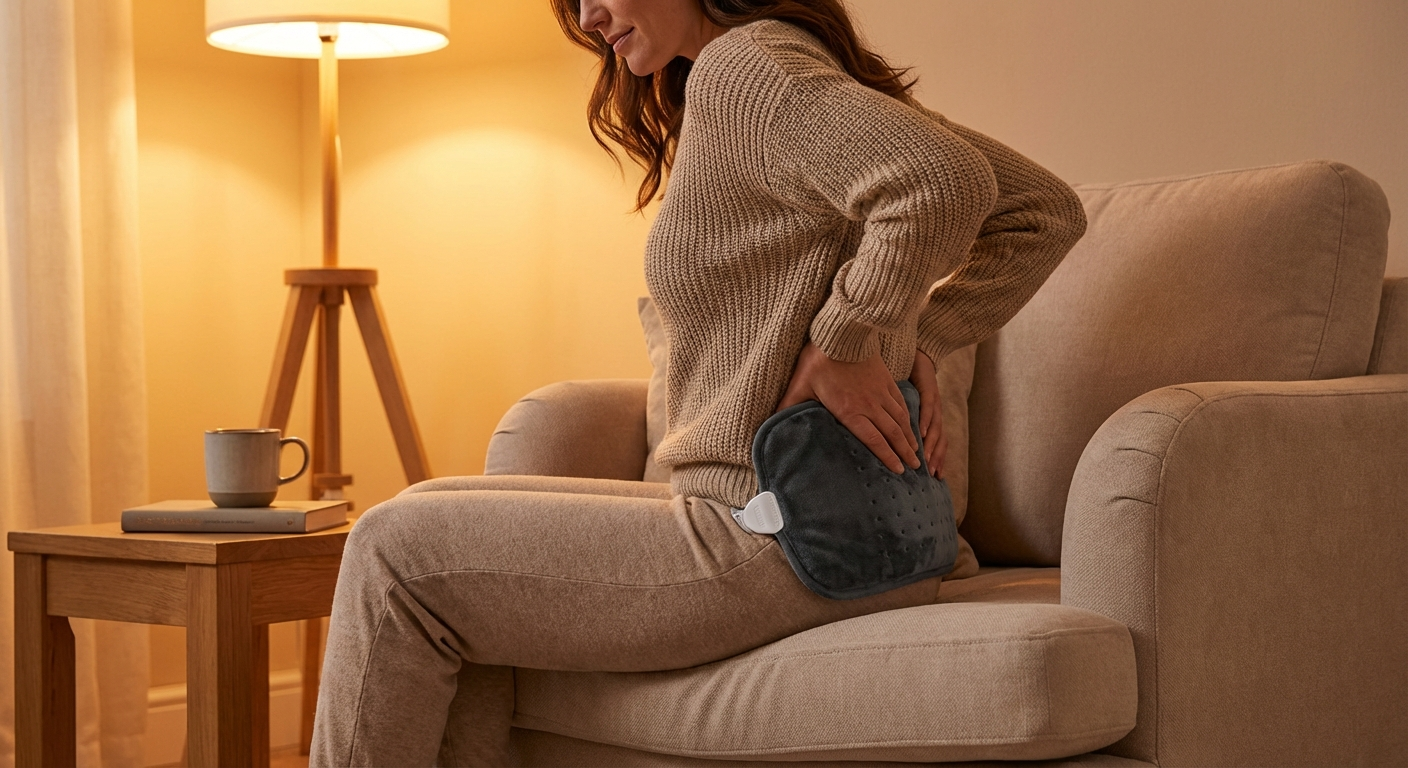
Heat therapy applied to the lower back and tailbone area reduces muscle spasm and improves circulation.
Chiropractic Approach to Coccyx Pain
Chiropractors focus on spinal alignment and nervous system function. For coccyx pain, treatment may include:
Techniques Used
Spinal manipulation: Adjustments to lumbar spine and sacrum
Coccyx manipulation: Internal or external adjustment of tailbone position
Soft tissue therapy: Myofascial release, trigger point therapy
Pelvic blocking: Gentle repositioning techniques
Instrument-assisted: Activator or drop-table techniques for gentle adjustment
Evidence Base
Research on chiropractic for coccydynia specifically is limited, but studies on related conditions show:
Chiropractic effective for chronic low back pain (Cochrane review)
Sacroiliac joint manipulation helps pelvic pain
Case series report success with coccyx manipulation
What to Expect
Initial visit: Comprehensive exam including orthopedic tests
Treatment plan: Typically 8-12 visits over 4-6 weeks
Technique: Should be gentle; aggressive manipulation contraindicated
Home exercises: Usually prescribed to maintain improvements
Safety Considerations
Important: Internal coccyx manipulation should only be performed by practitioners with specific training. Avoid forceful adjustments. Seek practitioners experienced with pelvic conditions.
3. Massage Therapy
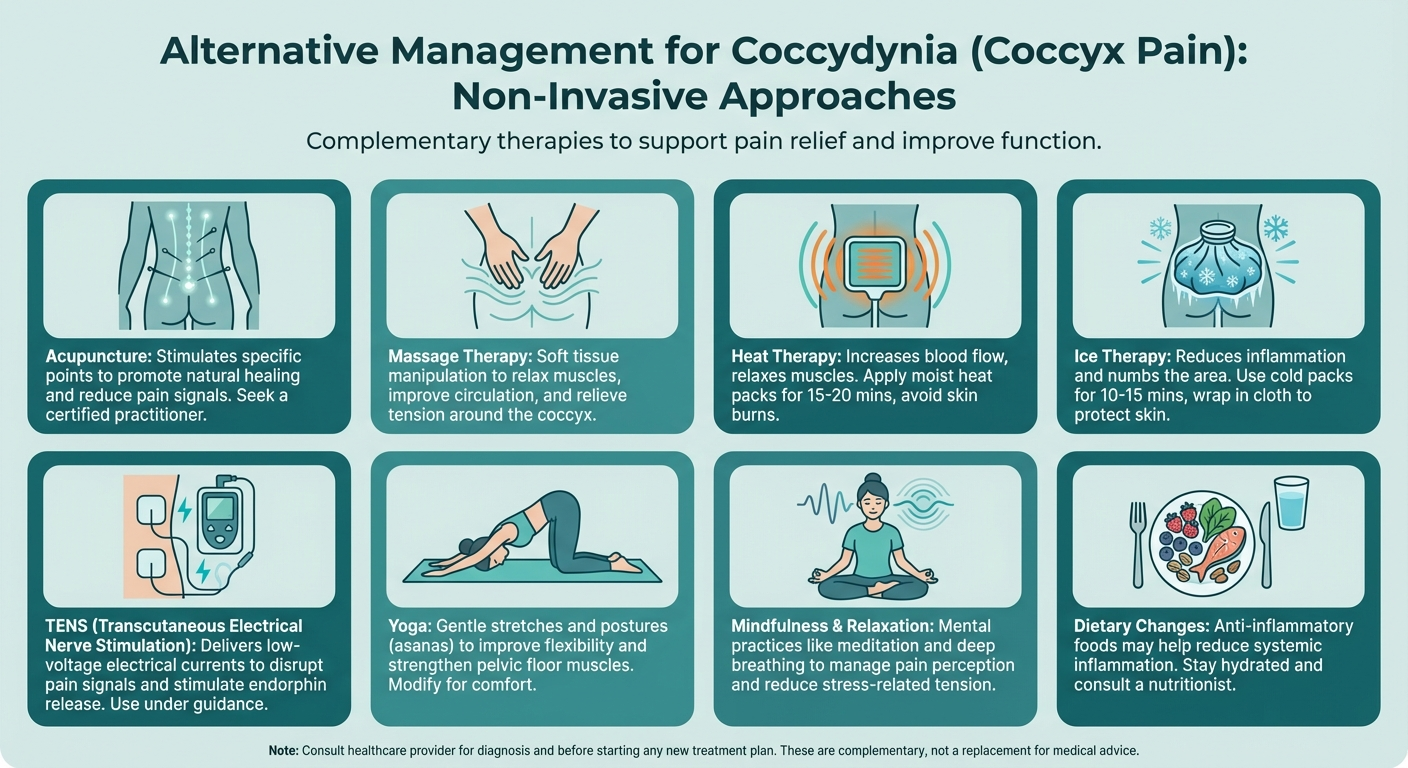
Evidence ratings vary — manual therapy and TENS have the strongest clinical support.
Types of Massage for Coccyx Pain
Myofascial Release
Gentle, sustained pressure on fascial restrictions can release tension in the pelvic floor and surrounding muscles that refer pain to the coccyx.
Trigger Point Therapy
Specific pressure on trigger points in gluteal muscles, piriformis, and pelvic floor can eliminate referred pain patterns.
Deep Tissue Massage
Addresses chronic muscle tension in the lower back, hips, and pelvis. Should be performed by therapists trained in pelvic pain.
Evidence
Myofascial release shown effective for chronic pelvic pain
Trigger point therapy reduces referred pain patterns
Regular massage reduces overall pain sensitivity
Finding the Right Therapist
Look for:
Licensed massage therapist (LMT)
Training in pelvic floor or medical massage
Experience with chronic pain conditions
Comfort working with coccyx/pelvic area
4. Physical Therapy & Pelvic Floor Therapy
Specialized Physical Therapy for Coccydynia
While sometimes considered conventional, specialized pelvic floor physical therapy deserves mention as a primary alternative approach that often succeeds where other treatments fail.
Techniques
Manual therapy: Internal and external soft tissue mobilization
Myofascial release: Releasing restricted fascia
Trigger point release: Deactivating painful muscle knots
Joint mobilization: Gentle coccyx mobilization
Biofeedback: Learning to control pelvic floor muscles
Exercise prescription: Targeted stretching and strengthening
Success Rates
Studies show 70-85% of coccydynia patients improve significantly with pelvic floor physical therapy, making it one of the most effective treatments available.
5. Herbal & Natural Supplements
Anti-Inflammatory Supplements
Turmeric/Curcumin
Dose: 500-1000mg curcumin daily with piperine for absorption
Evidence: Comparable to ibuprofen for inflammation in some studies
Caution: May interact with blood thinners; stop before surgery
While sometimes considered conventional, TENS units are available over-the-counter and provide:
Pain signal interruption
Endorphin release
Muscle relaxation
Many patients find TENS helpful for managing coccyx pain flare-ups.
Creating Your Alternative Treatment Plan
Step-by-Step Approach
Start with evaluation: Rule out serious causes with conventional medical assessment
Foundation: Begin with physical therapy (highest evidence base)
Add one therapy at a time: Try acupuncture OR chiropractic, not both simultaneously initially
Allow 6-8 weeks: Give each therapy adequate trial
Track progress: Keep pain diary to identify what works
Combine effective treatments: Layer approaches that help
Maintain: Continue beneficial therapies for prevention
Expected Timeline
Therapy
When to Expect Results
Typical Course
Acupuncture
2-4 sessions
6-12 sessions
Chiropractic
2-4 weeks
8-12 visits
Physical Therapy
3-6 weeks
8-12 sessions
Massage
1-3 sessions
Ongoing maintenance
Supplements
4-8 weeks
Ongoing
Safety Considerations
Important Precautions
Always inform all providers about treatments you're using
Check for drug-supplement interactions
Verify practitioner credentials and licenses
Don't discontinue conventional treatment without medical guidance
Seek immediate care for red flag symptoms (fever, numbness, bowel/bladder changes)
Frequently Asked Questions
Are alternative treatments covered by insurance?
Some are. Acupuncture is covered by many plans for pain management. Physical therapy typically has coverage. Chiropractic coverage varies. Massage is rarely covered unless prescribed.
Can I combine multiple alternative therapies?
Yes, but introduce them one at a time so you can identify what helps. Physical therapy pairs well with acupuncture or massage. Avoid aggressive manipulation combined with other forceful therapies.
How do I know if an alternative therapy is legitimate?
Look for: licensed practitioners, evidence of training, professional association membership, willingness to coordinate with your medical doctor, realistic expectations (not promising miracles).
Are supplements safe?
"Natural" doesn't mean risk-free. Quality varies widely. Buy from reputable companies with third-party testing. Check for interactions with medications. Discuss with your doctor, especially if pregnant or have health conditions.
Bottom line: Alternative therapies offer valuable options for coccyx pain management. The most effective approach often combines the best of conventional and alternative care, tailored to your specific situation.
Additional Information and Resources
Understanding Your Condition
Knowledge is power when dealing with coccyx pain. The more you understand about your condition, the better equipped you'll be to manage it effectively and communicate with healthcare providers.
Coccyx pain, while often dismissed as minor, can significantly impact quality of life. The coccyx serves as an attachment point for multiple muscles and ligaments, making it crucial for pelvic stability and function. When injured or irritated, the resulting pain can affect sitting, standing, walking, and even sleeping.
Risk Factors
Several factors increase the likelihood of developing coccyx pain:
Body weight: Higher BMI increases pressure on the coccyx when sitting
Occupation: Jobs requiring prolonged sitting or heavy physical labor
Activity level: Both sedentary lifestyle and high-impact sports
Previous injury: History of falls or trauma to the area
Age: Degenerative changes become more common with aging
Gender: Women are affected more frequently than men
Pregnancy: Hormonal changes and childbirth increase risk
Diagnostic Process
Proper diagnosis is essential for effective treatment. Your healthcare provider may use:
Physical examination: Palpation of the coccyx and surrounding structures
Dynamic testing: Assessing pain with movement and position changes
Imaging: X-rays, MRI, or CT scans to visualize bone and soft tissue
Diagnostic injections: Local anesthetic to confirm pain source
Neurological exam: Ruling out nerve involvement
Treatment Options Overview
Treatment typically progresses from conservative to more invasive:
Conservative Treatments (First Line)
Activity modification and ergonomics
Coccyx cushions and seating aids
Physical therapy and exercises
Medications (NSAIDs, muscle relaxants)
Heat and cold therapy
Manual manipulation
Interventional Treatments
Corticosteroid injections
Nerve blocks
Radiofrequency ablation
Ganglion impar blocks
Surgical Options
Coccygectomy (tailbone removal) - last resort
Lifestyle Modifications
Long-term management often requires lifestyle changes:
Daily Habits
Take standing breaks every 30 minutes
Use proper lifting technique
Maintain healthy weight
Stay active with low-impact exercise
Practice good posture
Use supportive seating
Workplace Ergonomics
Adjust chair height for proper hip angle
Use standing desk when possible
Position monitor at eye level
Keep frequently used items within reach
Consider ergonomic accessories
Nutrition and Healing
Proper nutrition supports tissue healing and reduces inflammation:
Hydration: Adequate water intake for tissue health
Protein: Essential for tissue repair
Vitamins and minerals: Vitamin D, calcium, magnesium
Avoid: Excessive sugar, processed foods, alcohol
Exercise and Movement
Appropriate exercise is crucial for recovery and prevention:
Beneficial Activities
Walking (low-impact, promotes circulation)
Swimming (supported, full-body)
Core strengthening (supports pelvis)
Stretching (maintains flexibility)
Yoga (gentle, improves body awareness)
Activities to Modify or Avoid
High-impact sports (running, jumping)
Prolonged cycling (pressure on coccyx)
Rowing (repetitive pressure)
Heavy weightlifting (strain on pelvic floor)
Contact sports (risk of trauma)
Mental Health Considerations
Chronic pain affects mental health significantly:
Depression and anxiety are common
Sleep disturbances worsen pain perception
Social isolation can develop
Work stress may increase
Relationships may be strained
Addressing mental health is as important as treating physical symptoms. Consider counseling, support groups, stress management techniques, and open communication with loved ones.
Building Your Healthcare Team
Effective treatment often involves multiple providers:
Primary care physician: Initial evaluation and coordination
Contact your healthcare provider immediately if you experience:
Severe pain after trauma or fall
Fever with tailbone pain
Numbness or weakness in legs
Loss of bowel or bladder control
Unexplained weight loss
Night pain that doesn't improve with position changes
Signs of infection (redness, warmth, drainage)
Support Resources
You don't have to face this alone:
Online forums and support groups
Patient advocacy organizations
Educational websites and videos
Local pain management programs
Physical therapy clinics
Setting Realistic Expectations
Recovery from coccyx pain takes time:
Acute cases: 2-4 weeks
Subacute cases: 2-3 months
Chronic cases: 3-6 months or longer
Patience and consistency with treatment are essential. Celebrate small improvements and don't get discouraged by setbacks.
Prevention Strategies
Once recovered, prevent recurrence:
Maintain good posture
Use proper body mechanics
Stay active and maintain healthy weight
Use supportive seating
Take regular movement breaks
Continue exercises learned in physical therapy
Address issues promptly if they recur
Research and Advances
Medical understanding of coccyx pain continues to evolve:
Improved imaging techniques
Better injection approaches
Advanced surgical techniques
Enhanced rehabilitation protocols
Multidisciplinary treatment models
Insurance and Financial Considerations
Understand your coverage:
Verify coverage for treatments and procedures
Understand copays and deductibles
Check if preauthorization is required
Consider HSA/FSA for eligible expenses
Discuss payment plans if needed
Return to Work Planning
If work is affected:
Discuss modifications with employer
Request ergonomic accommodations
Consider phased return schedule
Document restrictions and capabilities
Know your rights under disability laws
Travel Considerations
Managing pain while traveling:
Bring your coccyx cushion
Take frequent stops on long drives
Request aisle seat on flights
Stand and walk when possible
Pack pain medications in carry-on
Long-Term Outlook
For most people, coccyx pain is manageable:
85-90% improve with conservative treatment
Surgery helps 50-90% of carefully selected patients
Lifestyle modifications prevent recurrence
Quality of life can be fully restored
Ongoing self-care maintains results
Final Thoughts
Coccyx pain can be challenging, but help is available. With proper diagnosis, appropriate treatment, and patience, most people achieve significant relief and return to normal activities. Don't suffer in silence—seek professional help and take an active role in your recovery.
Remember: You are your best advocate. Stay informed, ask questions, and work collaboratively with your healthcare team to find the solutions that work best for you.