Chronic coccyx pain (coccydynia lasting more than 3 months) affects 1 in 100 adults and is most common in women. The key to management is breaking the pain-tension cycle through targeted exercises, ergonomic changes, and appropriate medical intervention.
Medically Reviewed by: Dr. Sarah Mitchell, MD, Orthopedic Specialist & Dr. Michael Chen, MD | Updated: March 10, 2026
Chronic coccyx pain, medically known as coccydynia, affects approximately 1 in 100 adults at some point in their lives. While often dismissed as a minor inconvenience, persistent tailbone pain can severely impact quality of life, making sitting, sleeping, and daily activities challenging.
This comprehensive guide explores everything you need to know about chronic coccyx pain: from underlying causes and diagnostic approaches to evidence-based treatments and long-term management strategies.
What Is Chronic Coccyx Pain?
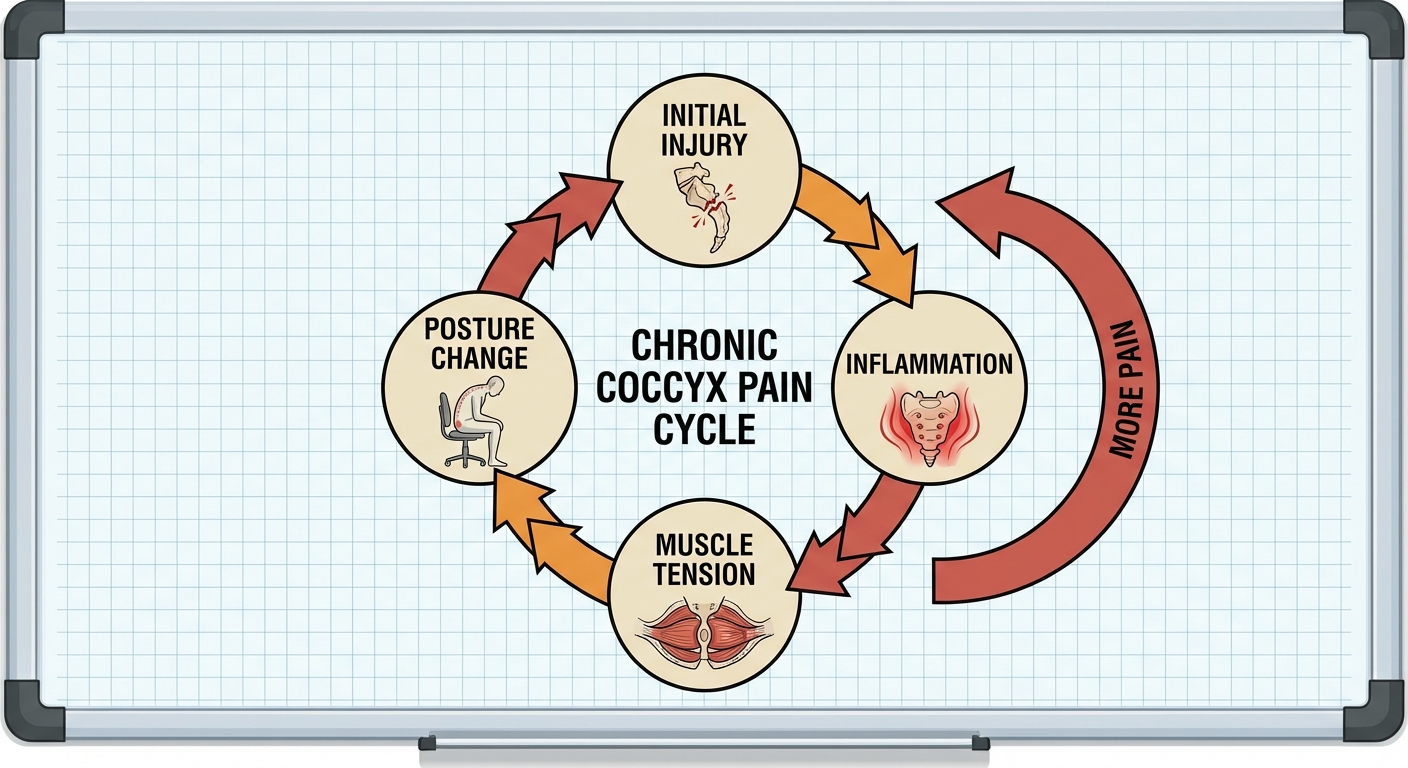
Breaking the pain-tension cycle is central to chronic coccydynia management — exercises target each stage of the cycle.
Chronic coccyx pain is defined as persistent pain in the tailbone region lasting longer than three months. The coccyx, or tailbone, is a small triangular bone at the base of the spine consisting of 3-5 fused vertebrae. Despite its small size, it serves important functions:
Weight bearing: Supports body weight when sitting
Muscle attachment: Anchors pelvic floor muscles, gluteus maximus, and ligaments
Childbirth function: Moves backward during vaginal delivery to create more space
When this bone or its surrounding structures become damaged, inflamed, or dysfunctional, the result can be persistent, debilitating pain that significantly impacts daily life.
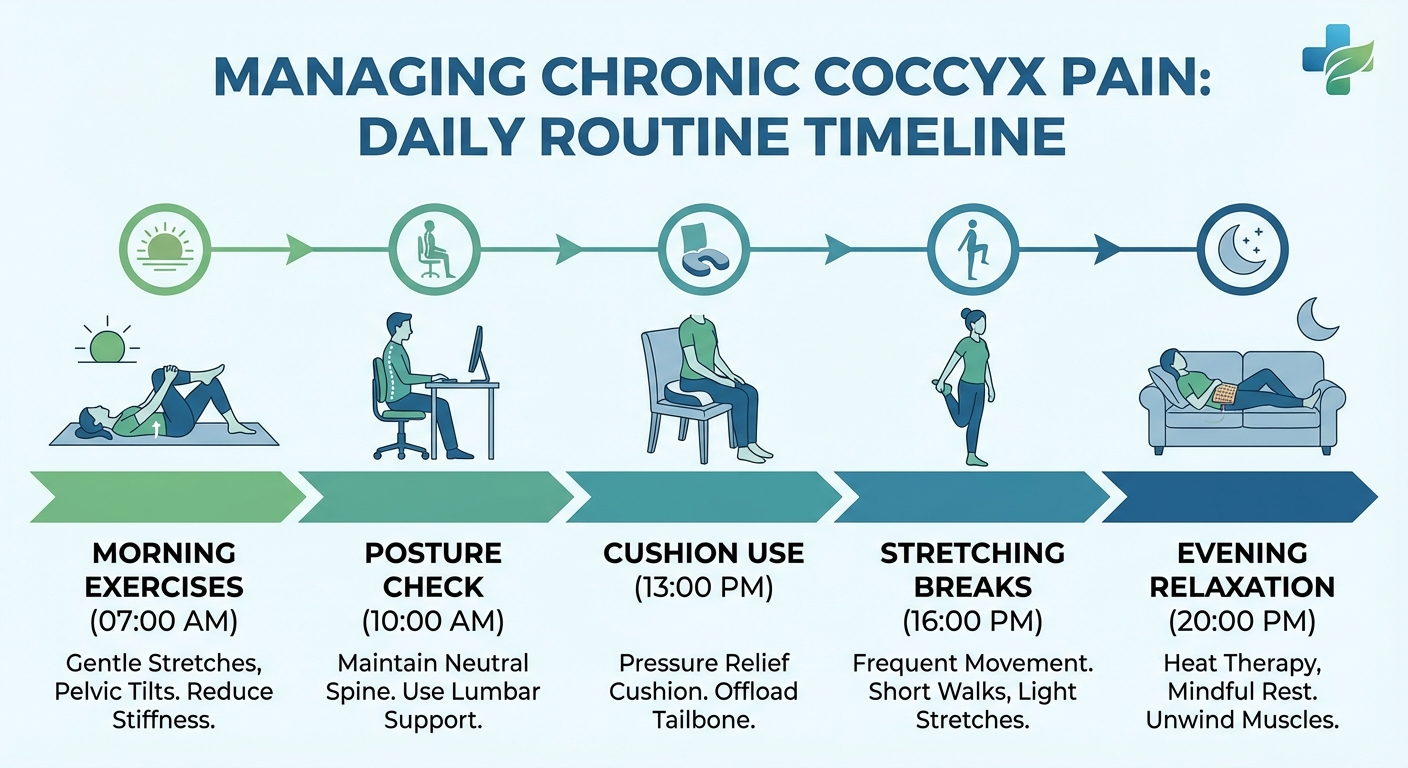
Comprehensive guide to breaking the chronic pain cycle and building a sustainable long-term management plan.
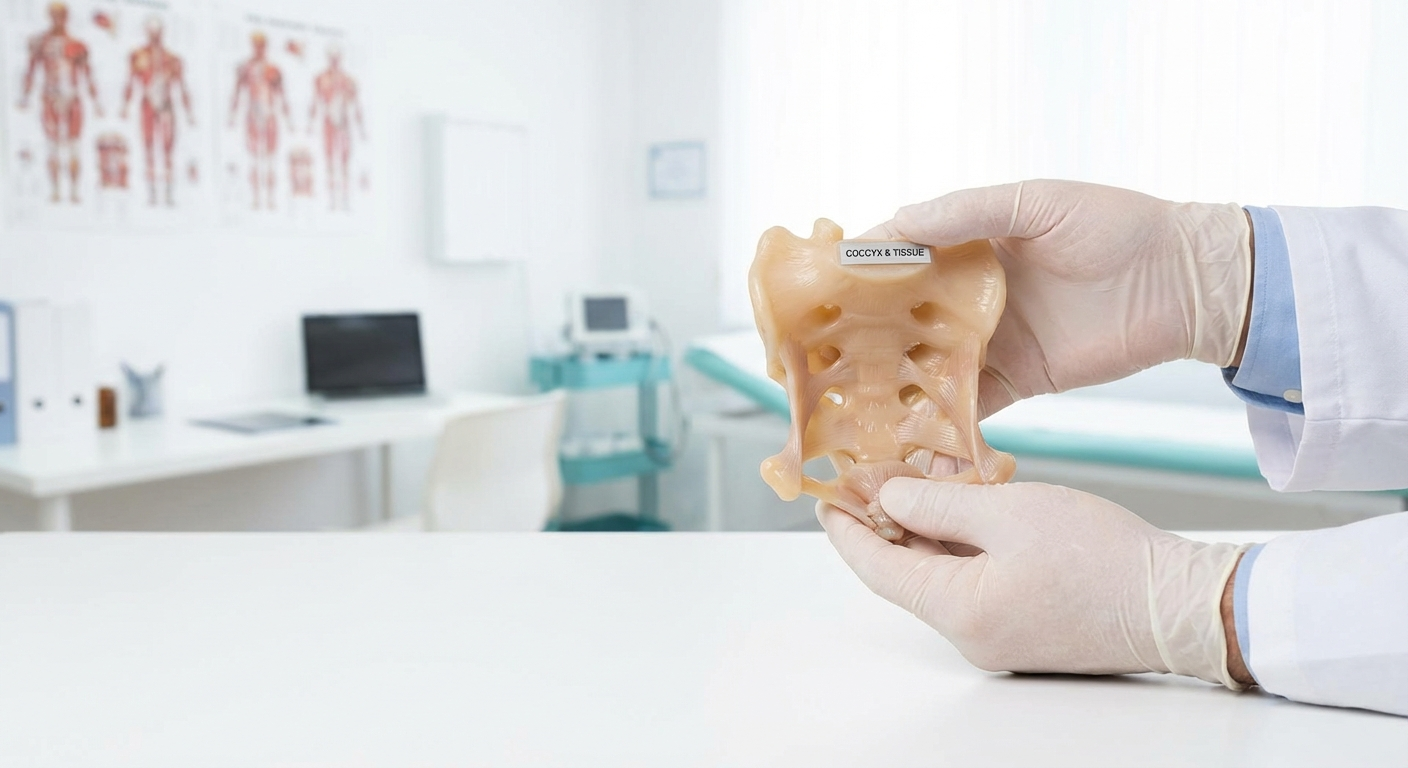
Chronic coccyx pain often involves the sacrococcygeal joint becoming hypermobile or developing arthritic changes.
Coccydynia is more common than many realize:
Prevalence: 1% of the general population experiences chronic coccyx pain
Gender distribution: Women are 5 times more likely to develop coccydynia than men
Age peak: Most common between ages 40-60, though can occur at any age
Obesity factor: Overweight individuals have 3x higher risk due to increased sitting pressure
Pregnancy: 30% of pregnant women experience temporary coccyx pain
Women are disproportionately affected due to anatomical differences (wider pelvis, different coccyx angle), hormonal factors affecting ligament laxity, and childbirth-related trauma.
Understanding the Causes of Chronic Coccyx Pain
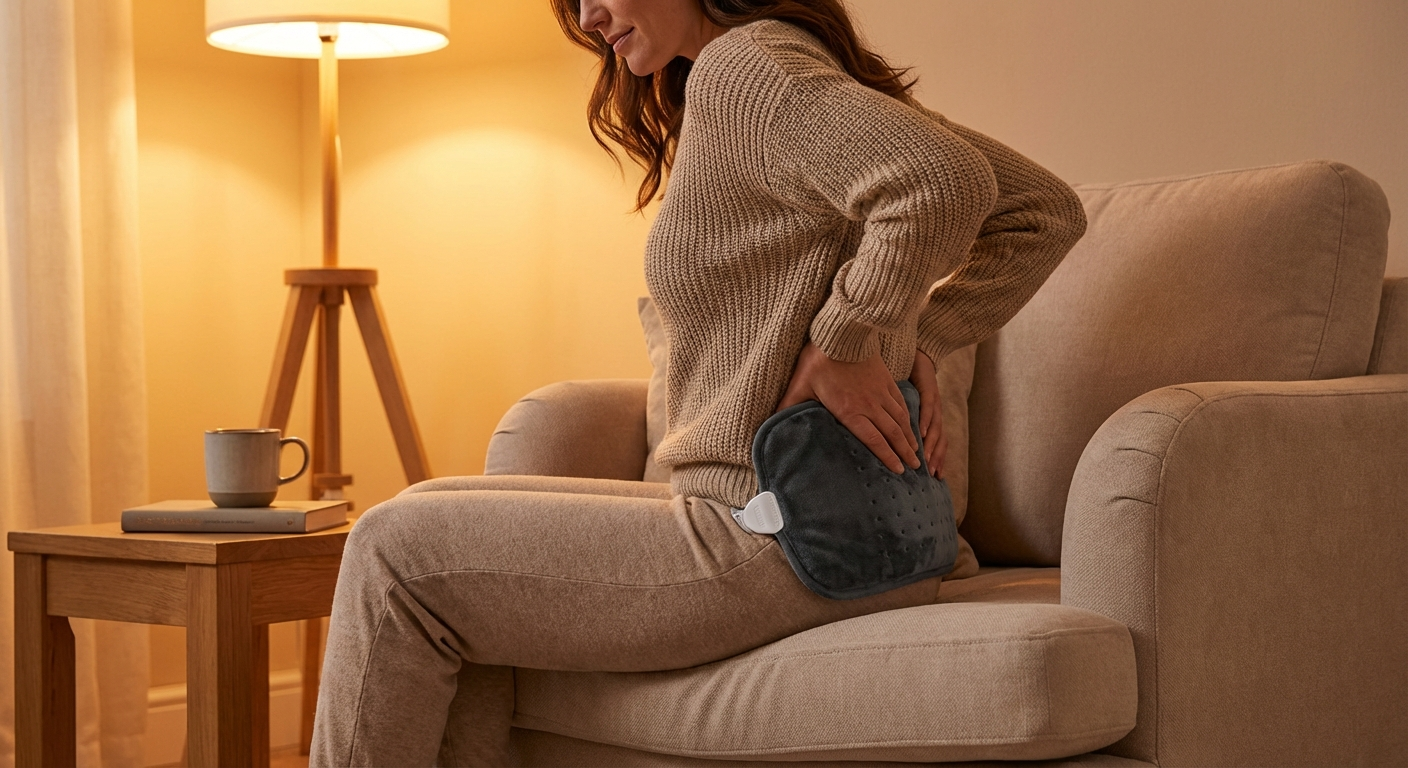
Daily heat therapy is one of the simplest and most accessible long-term management strategies for coccydynia.
1. Traumatic Injury
Direct trauma to the tailbone is the most common cause of coccydynia, accounting for approximately 50% of cases:
Falls: Slipping on ice, falling down stairs, or landing on the buttocks
Sports injuries: Cycling accidents, skating falls, contact sports
Repetitive microtrauma: Prolonged sitting on hard surfaces, cycling
Childbirth: Vaginal delivery can strain or dislocate the coccyx
Even seemingly minor falls can cause coccyx fractures, dislocations, or ligament injuries that lead to chronic pain.
2. Idiopathic Coccydynia
In approximately 30% of cases, no specific cause can be identified. This "idiopathic" coccydynia may result from:
Subtle ligament strain from poor posture
Degenerative changes in the sacrococcygeal joint
Hypermobility or hypomobility of the coccyx
Referred pain from lumbar spine issues
3. Degenerative Conditions
Age-related changes can affect the coccyx:
Osteoarthritis: Wear and tear of the sacrococcygeal joint
Disc degeneration: Changes in nearby structures affecting coccyx biomechanics
Spurs: Bone growths causing local irritation
4. Inflammatory Conditions
Systemic inflammatory disorders can affect the coccyx:
Ankylosing spondylitis: Can cause sacrococcygeal inflammation
Psoriatic arthritis: May affect the tailbone region
Infections: Rare but possible (pilonidal cysts, osteomyelitis)
Living with Chronic Coccyx Pain: Coping Strategies
Daily Life Modifications
Seating: Invest in quality coccyx cushion; consider kneeling chairs
Sleep: Side-sleeping with pillow between knees; avoid back sleeping
Driving: Use cushion; take frequent stops on long trips
Work: Request standing desk or ergonomic chair
Clothing: Avoid tight pants that compress the area
Psychological Support
Chronic pain affects mental health:
Consider cognitive behavioral therapy (CBT) for pain
Mindfulness and meditation practices
Support groups (online communities available)
Address anxiety and depression if present
Prognosis and Recovery Timeline
Most patients (85-90%) achieve satisfactory pain control with conservative treatment:
Acute cases: 2-4 weeks with proper treatment
Subacute cases: 2-3 months
Chronic cases: 3-6 months or longer
Factors predicting better outcomes:
Clear traumatic cause
Early intervention
Compliance with treatment
Normal body weight
No psychological comorbidities
When to See a Doctor
Seek immediate medical attention if you have:
Severe pain after trauma
Fever with coccyx pain (possible infection)
Numbness or weakness in legs
Loss of bowel or bladder control
Unexplained weight loss
Night pain that doesn't improve with position changes
Frequently Asked Questions
Is chronic coccyx pain permanent?
No, most cases resolve with proper treatment. Even without treatment, 90% of acute cases improve within 3 months. Chronic cases require more comprehensive management but can still achieve significant relief.
Can I exercise with coccyx pain?
Yes, but modify activities. Avoid cycling, rowing, and exercises that put direct pressure on the tailbone. Swimming, walking, and upper body exercises are usually well-tolerated. See our exercise guide for safe routines.
Does weight loss help coccyx pain?
Yes. Excess weight increases pressure on the coccyx when sitting. Studies show that losing even 10% of body weight can significantly reduce sitting pain for overweight individuals.
Can coccyx pain cause constipation?
Indirectly, yes. Fear of pain during bowel movements can lead to avoidance behaviors and constipation. Using stool softeners and maintaining fiber intake can help break this cycle.
Is heat or ice better for coccyx pain?
Ice is better for acute injuries (first 48-72 hours). Heat helps chronic pain by relaxing muscles and increasing blood flow. Many patients alternate both for maximum benefit.
Remember: Chronic coccyx pain is treatable. Don't suffer in silence—seek professional help and explore the many effective treatment options available.
Additional Information and Resources
Understanding Your Condition
Knowledge is power when dealing with coccyx pain. The more you understand about your condition, the better equipped you'll be to manage it effectively and communicate with healthcare providers.
Coccyx pain, while often dismissed as minor, can significantly impact quality of life. The coccyx serves as an attachment point for multiple muscles and ligaments, making it crucial for pelvic stability and function. When injured or irritated, the resulting pain can affect sitting, standing, walking, and even sleeping.
Risk Factors
Several factors increase the likelihood of developing coccyx pain:
Body weight: Higher BMI increases pressure on the coccyx when sitting
Occupation: Jobs requiring prolonged sitting or heavy physical labor
Activity level: Both sedentary lifestyle and high-impact sports
Previous injury: History of falls or trauma to the area
Age: Degenerative changes become more common with aging
Gender: Women are affected more frequently than men
Pregnancy: Hormonal changes and childbirth increase risk
Diagnostic Process
Proper diagnosis is essential for effective treatment. Your healthcare provider may use:
Physical examination: Palpation of the coccyx and surrounding structures
Dynamic testing: Assessing pain with movement and position changes
Imaging: X-rays, MRI, or CT scans to visualize bone and soft tissue
Diagnostic injections: Local anesthetic to confirm pain source
Neurological exam: Ruling out nerve involvement
Treatment Options Overview
Treatment typically progresses from conservative to more invasive:
Conservative Treatments (First Line)
Activity modification and ergonomics
Coccyx cushions and seating aids
Physical therapy and exercises
Medications (NSAIDs, muscle relaxants)
Heat and cold therapy
Manual manipulation
Interventional Treatments
Corticosteroid injections
Nerve blocks
Radiofrequency ablation
Ganglion impar blocks
Surgical Options
Coccygectomy (tailbone removal) - last resort
Lifestyle Modifications
Long-term management often requires lifestyle changes:
Daily Habits
Take standing breaks every 30 minutes
Use proper lifting technique
Maintain healthy weight
Stay active with low-impact exercise
Practice good posture
Use supportive seating
Workplace Ergonomics
Adjust chair height for proper hip angle
Use standing desk when possible
Position monitor at eye level
Keep frequently used items within reach
Consider ergonomic accessories
Nutrition and Healing
Proper nutrition supports tissue healing and reduces inflammation:
Hydration: Adequate water intake for tissue health
Protein: Essential for tissue repair
Vitamins and minerals: Vitamin D, calcium, magnesium
Avoid: Excessive sugar, processed foods, alcohol
Exercise and Movement
Appropriate exercise is crucial for recovery and prevention:
Beneficial Activities
Walking (low-impact, promotes circulation)
Swimming (supported, full-body)
Core strengthening (supports pelvis)
Stretching (maintains flexibility)
Yoga (gentle, improves body awareness)
Activities to Modify or Avoid
High-impact sports (running, jumping)
Prolonged cycling (pressure on coccyx)
Rowing (repetitive pressure)
Heavy weightlifting (strain on pelvic floor)
Contact sports (risk of trauma)
Mental Health Considerations
Chronic pain affects mental health significantly:
Depression and anxiety are common
Sleep disturbances worsen pain perception
Social isolation can develop
Work stress may increase
Relationships may be strained
Addressing mental health is as important as treating physical symptoms. Consider counseling, support groups, stress management techniques, and open communication with loved ones.
Building Your Healthcare Team
Effective treatment often involves multiple providers:
Primary care physician: Initial evaluation and coordination
Contact your healthcare provider immediately if you experience:
Severe pain after trauma or fall
Fever with tailbone pain
Numbness or weakness in legs
Loss of bowel or bladder control
Unexplained weight loss
Night pain that doesn't improve with position changes
Signs of infection (redness, warmth, drainage)
Support Resources
You don't have to face this alone:
Online forums and support groups
Patient advocacy organizations
Educational websites and videos
Local pain management programs
Physical therapy clinics
Setting Realistic Expectations
Recovery from coccyx pain takes time:
Acute cases: 2-4 weeks
Subacute cases: 2-3 months
Chronic cases: 3-6 months or longer
Patience and consistency with treatment are essential. Celebrate small improvements and don't get discouraged by setbacks.
Prevention Strategies
Once recovered, prevent recurrence:
Maintain good posture
Use proper body mechanics
Stay active and maintain healthy weight
Use supportive seating
Take regular movement breaks
Continue exercises learned in physical therapy
Address issues promptly if they recur
Research and Advances
Medical understanding of coccyx pain continues to evolve:
Improved imaging techniques
Better injection approaches
Advanced surgical techniques
Enhanced rehabilitation protocols
Multidisciplinary treatment models
Insurance and Financial Considerations
Understand your coverage:
Verify coverage for treatments and procedures
Understand copays and deductibles
Check if preauthorization is required
Consider HSA/FSA for eligible expenses
Discuss payment plans if needed
Return to Work Planning
If work is affected:
Discuss modifications with employer
Request ergonomic accommodations
Consider phased return schedule
Document restrictions and capabilities
Know your rights under disability laws
Travel Considerations
Managing pain while traveling:
Bring your coccyx cushion
Take frequent stops on long drives
Request aisle seat on flights
Stand and walk when possible
Pack pain medications in carry-on
Long-Term Outlook
For most people, coccyx pain is manageable:
85-90% improve with conservative treatment
Surgery helps 50-90% of carefully selected patients
Lifestyle modifications prevent recurrence
Quality of life can be fully restored
Ongoing self-care maintains results
Final Thoughts
Coccyx pain can be challenging, but help is available. With proper diagnosis, appropriate treatment, and patience, most people achieve significant relief and return to normal activities. Don't suffer in silence—seek professional help and take an active role in your recovery.
Remember: You are your best advocate. Stay informed, ask questions, and work collaboratively with your healthcare team to find the solutions that work best for you.